Could Your Next Container Qualify for Near-Zero Ocean Freight?
Importing agricultural commodities from India? On some routes, the ocean freight component could cost less than you expect. Here’s what to check before booking.
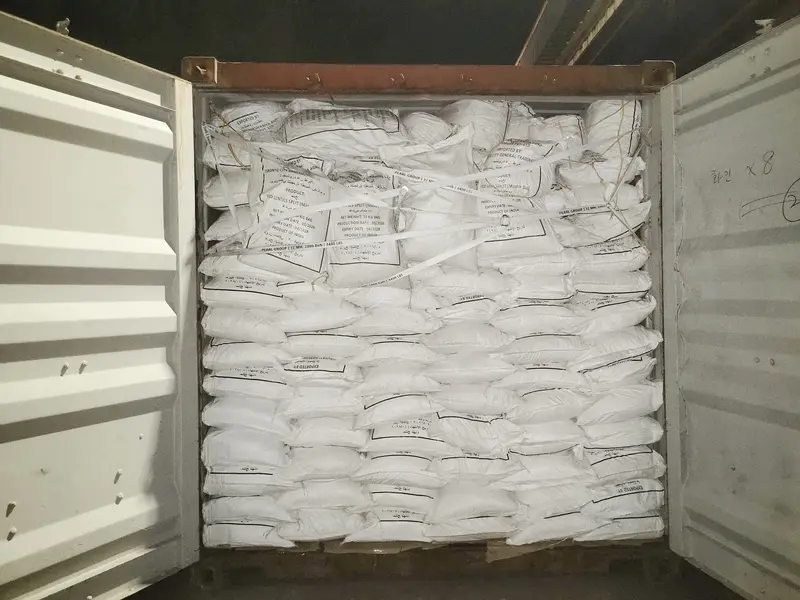
When sourcing cotton, rice, pulses or other agricultural commodities, shipping costs can make a big difference to your buying decision.
But not every container travels on an expensive trade lane. On some routes, shipping lines may offer exceptionally low base ocean freight to help move their equipment where it is needed next.
Does that mean your container ships for free?
Not quite. But it may create an opportunity to reduce your shipping costs—if the complete quotation stacks up.
Why Would a Shipping Line Offer Near-Zero Freight?
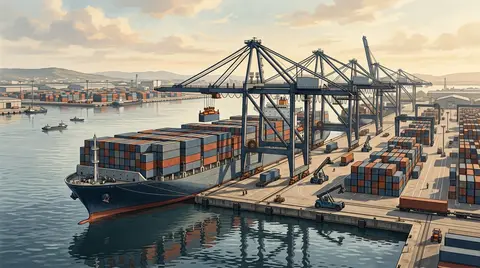
Global trade does not move evenly in both directions. A route can carry large volumes of loaded containers one way and have fewer export shipments available for the return journey.
That return direction is often called a backhaul route.
When shipping lines need to reposition containers, carrying suitable paid cargo may be more attractive than moving empty equipment. Depending on the route, available space and equipment requirements, this can lead to very competitive base ocean freight offers.
These opportunities are not permanent discounts. They can change with sailing dates, cargo demand, container availability and carrier pricing.
Could Your Shipment Benefit?
A low-rate opportunity depends on more than the destination country. A forwarder or shipping line will usually need:
- Port of loading: such as Nhava Sheva / JNPT or Mundra.
- Destination port: the exact discharge port, not just the country.
- Commodity: including packaging and any special handling requirements.
- Container type: for example, a 20-foot or 40-foot dry container.
- Cargo weight and volume: to check payload limits and equipment suitability.
- Cargo-ready date: so the quotation matches an available sailing.
Return services to some Asian markets may be worth checking for competitive backhaul pricing. However, no route or shipment automatically qualifies for free or near-zero freight.
A rate available for one shipment may not apply to another—even on the same route. Ask for a dated quotation with its validity, sailing, equipment availability and booking conditions confirmed.
Low Ocean Freight Is Not the Same as Free Shipping
Think of base ocean freight as one line in the shipping bill, not the final total.
Other costs may still apply:
| Cost component | What to confirm |
|---|---|
| Inland transport | Movement from the supplier’s premises to the loading port and onward delivery after arrival, where required |
| Origin handling and documentation | Terminal handling, bill of lading, seal and applicable export charges |
| Carrier surcharges | Fuel, low-sulphur, environmental or other applicable surcharges |
| Destination charges | Terminal handling, delivery order and other local charges |
| Customs and inspections | Clearance, duties, taxes and any required inspections |
| Insurance | Whether cover is included, its scope and who arranges it |
| Storage and equipment charges | Free time and potential demurrage or detention costs |
The cheapest headline freight rate is not necessarily the cheapest shipment.
Compare complete quotations on the same basis: the same cargo, container, route, shipment window and allocation of charges between buyer and seller. Confirm the agreed Incoterm and named place or port, and ask which costs are excluded.
Buying Agricultural Commodities? Check Suitability First
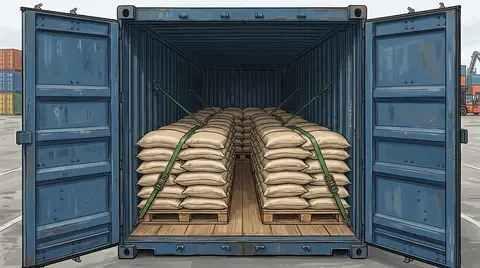
A low freight rate is only useful if the service is right for your goods.
For agricultural cargo, check container condition, cleanliness, moisture protection, packaging, transit time and any transshipment arrangements. Confirm the applicable phytosanitary, fumigation, inspection and import-document requirements for your commodity and destination before booking.
A longer journey or unsuitable container can outweigh a saving in base freight. Choose the service around your cargo requirements, not only the headline rate.
What to Ask Before You Book
- What is the total quoted cost, and which origin, destination and inland charges are excluded?
- How long is the rate valid, and is space and suitable equipment available for the cargo-ready date?
- Is the service direct or transshipped, and what is the estimated transit time?
- What free time applies, and what demurrage, detention or storage charges could follow?
- Who pays each charge under the agreed sale terms, and what happens if the sailing or booking changes?
The Bottom Line
Near-zero ocean freight can be a pricing opportunity on a particular route—not a promise of free shipping. The useful number is the complete shipment cost for your actual cargo, equipment and dates.
This guide is general information, not a live freight quotation or a guaranteed offer. Availability and charges must be checked for each shipment.
Want to Check the Options for Your Next Container?
Share your commodity, quantity, packaging, loading and destination ports, preferred container type and cargo-ready date with TGK Agro. Ask for a shipment-specific quote with a clear breakdown of included and excluded charges.
Request a shipment quote