Cottonseed Meal and Cake: A Buyer's Guide for Feed Mills
Protein, gossypol, grades and pricing explained for feed and fertilizer buyers
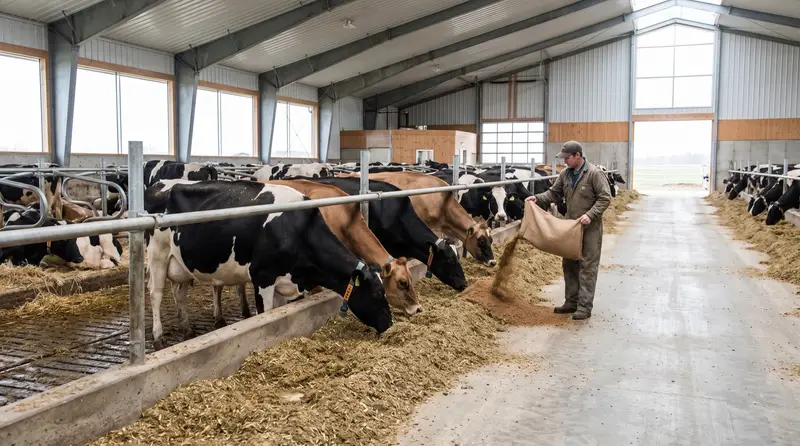
Cottonseed meal is the protein-rich residue left after oil is pressed or extracted from cottonseed. In the United States it is the second most used plant protein in cattle feed after soybean meal; in India the same product is usually called cottonseed cake. This guide covers what feed mills, dairy operators and fertilizer blenders need to know before buying: grades, protein and gossypol, expeller versus solvent, how it is priced per ton, and how to import it in bulk.
Cake or meal: the same product, two names
"Cake" is the pressed slab that comes out of an expeller; "meal" is the same material ground to a coarse powder. Exporters supply either form. What matters more than the name is whether the seed was decorticated (hulls removed) before crushing:
| Grade | Crude protein | Crude fibre | Typical use |
|---|---|---|---|
| Undecorticated cake | About 20 to 28 percent | High, 20 percent or more | Cattle and buffalo rations where bulk fibre is acceptable |
| Decorticated cake or meal | 38 to 42 percent | 12 to 15 percent | Dairy and beef concentrates, poultry with limits, aquaculture |
| US standard "41 percent" meal | 41 percent guaranteed | About 12 percent | The reference grade for pricing in North America |
Our export product is decorticated cottonseed cake and meal at 38 to 42 percent crude protein; the full specification is on the cottonseed cake page.
Expeller versus solvent-extracted
Expeller cake retains 6 to 8 percent residual oil, which adds energy to the ration and gives a slightly lower protein figure. Solvent-extracted meal carries only 1 to 2 percent oil, so it is higher in protein per tonne and keeps longer in storage. Buyers formulating for energy often prefer expeller cake; buyers paying per unit of protein prefer solvent meal. Both are available from Indian crushers, and the choice should be stated on the purchase order.
Gossypol: the constraint on inclusion rates
Cottonseed contains gossypol, a natural pigment that is toxic to monogastric animals in quantity. Adult ruminants detoxify it in the rumen, which is why cottonseed meal is primarily a cattle feed. The figure to specify is free gossypol, which processing reduces: solvent extraction and heat treatment leave less free gossypol than cold pressing. Typical practice is to limit cottonseed meal to a modest share of poultry and swine rations, keep it out of feeds for very young animals, and feed it freely to mature cattle within normal protein targets. Importing countries set their own limits, so ask the exporter for the free-gossypol result on the lot and check it against your feed regulations.
Uses beyond feed
Cottonseed meal is also sold as a slow-release organic fertilizer, particularly in the United States, where it is valued for acid-loving plants. Its nitrogen-phosphorus-potassium ratio is roughly 6-2-1. The fertilizer grade needs no gossypol control but does need consistent moisture and freedom from contaminants, so it is a different specification sheet from feed.
The specification to ask for
- Crude protein, minimum, on an as-fed basis.
- Crude fibre, maximum.
- Residual oil, which also tells you the process used.
- Moisture, maximum 10 percent for safe storage.
- Free gossypol, in parts per million or percent.
- Aflatoxin, within the limits of the importing country.
- Sand and silica, maximum.
- Form: cake or meal, and mesh size if meal.
How cottonseed meal is priced
Prices are quoted per metric tonne, FOB an Indian port or delivered, and move with four factors: the protein grade, the price of competing proteins, above all soybean meal, the size of the cotton crop and therefore the volume of seed being crushed, and freight. Crushing follows the cotton season, so supply is strongest from November to April and quotes for those months are usually the most competitive. Because the product is priced on protein, a quote should always state the guaranteed protein percentage; a 42 percent lot and a 24 percent lot are different products at different prices.
Buying in bulk from India
India is one of the largest producers of cottonseed, and crushing is concentrated in Maharashtra, Gujarat and Telangana. Export shipments are normally packed in 50 kg PP bags, with about 24 to 26 tonnes to a 20-foot container, or loaded in bulk on request. The document set is the standard agricultural one: commercial invoice, packing list, bill of lading, certificate of origin, phytosanitary and fumigation certificates, and the lot's laboratory analysis. First orders are usually paid by letter of credit, later orders by wire transfer against documents.
Ask for the analysis before the lot is bagged, not after it ships, and agree a sampling method at loading if your feed regulations require independent verification.
Frequently asked questions
Is cottonseed meal the same as cottonseed cake?
Yes in composition. Cake is the pressed form, meal is the ground form. Check whether the seed was decorticated, because that decides the protein level.
Can poultry eat cottonseed meal?
In limited amounts, depending on the free-gossypol level and the bird's age. It is mainly a ruminant feed.
What is the protein content of cottonseed meal?
Decorticated meal runs 38 to 42 percent crude protein; the North American reference grade is 41 percent. Undecorticated cake is roughly 20 to 28 percent.
How is cottonseed meal priced per ton?
By guaranteed protein percentage and process, relative to soybean meal, plus freight. Quotes are per metric tonne FOB or delivered.
Need a bulk cottonseed meal quote?
Tell us the protein grade, form, quantity and destination and the export desk will send a lot analysis and a firm per-tonne price.
Request a quote